

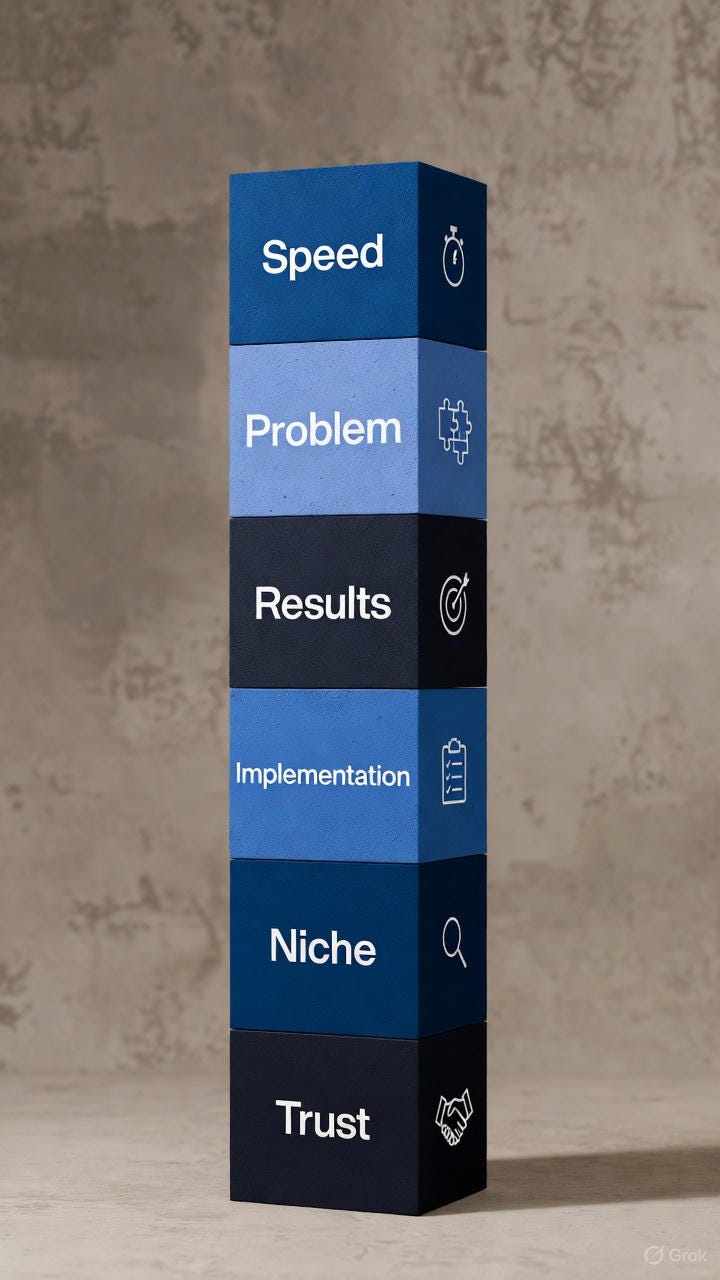
I met Mikhiel from Seam AI as founder number 199.
By the end of the call, one thing was obvious.
He is not trying to invent a cute new category.
He is going straight after a hated incumbent with real budget and real pain.
Seam is going after 6sense.
On purpose.
They are not running from the ABM label.
They are reframing it.
Here is how Seam lines up inside the SPRINT framework.
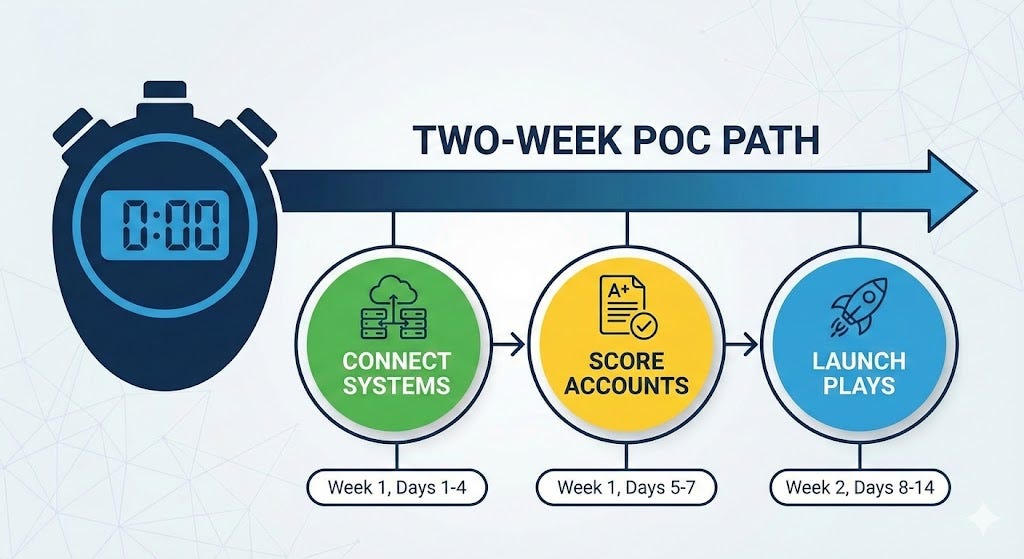
Speed: Two Weeks To Live
Speed is not just about shipping features.
It is about how fast you move between learning loops.
Seam has already lived through:
A full pivot
A repositioning
A reframing
A brand new message that is only about a month old
They learned what did not work and moved aggressively toward what did.
And the GTM version of speed is even clearer:
A two week POC that gets a buyer from zero to running.
Buyers do not want six month experiments.
They want clarity.
Fast.
Seam treats speed as a product.
Problem: A Pain That Gets Worse Every Month
Most founders solve interesting problems.
Seam solves a painful one.
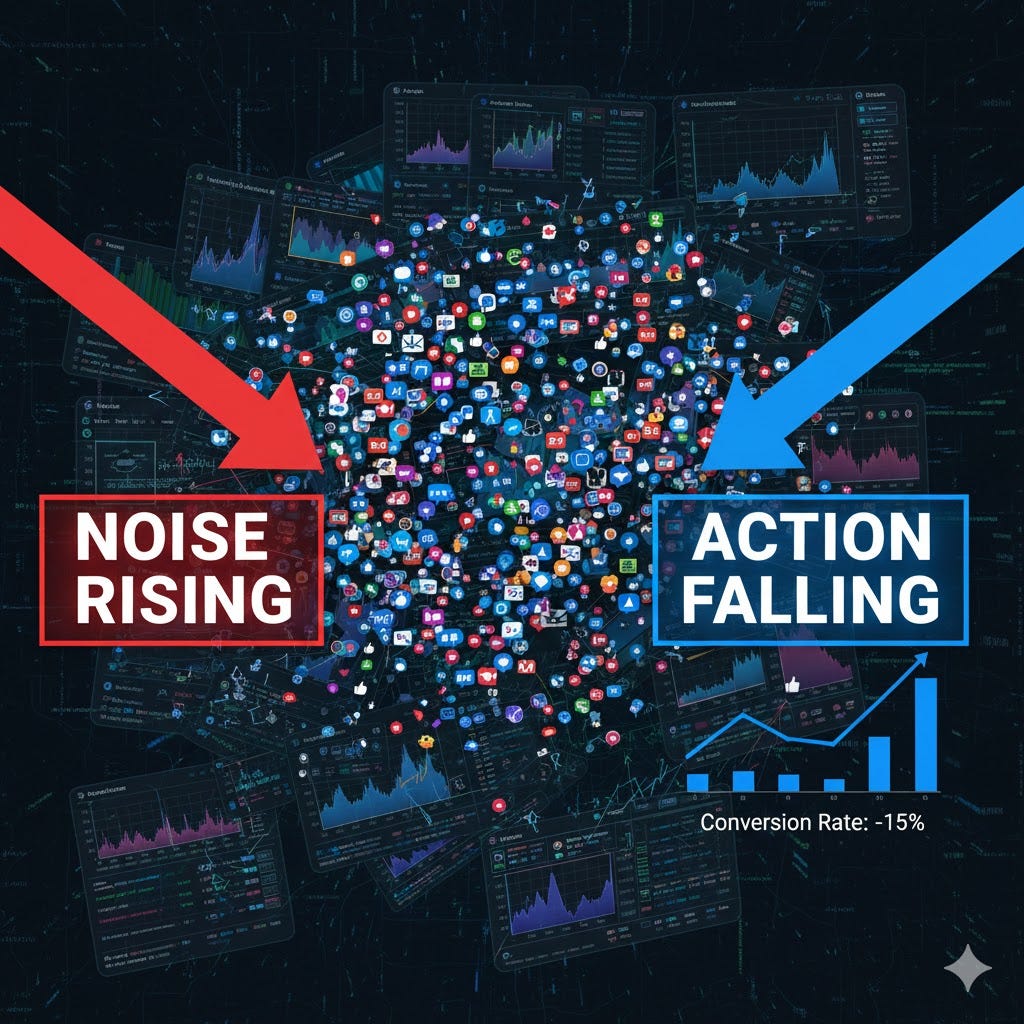
The modern GTM stack is drowning in signals.
More tools.
More indicators.
More data.
Less action.
Here is the part most teams miss.
The problem compounds.
If a company does nothing:
They collect more signals
They add more tools
They create more noise
They take fewer actions
They miss more buying windows
They let competitors move faster
Signal value decays every single day you wait.
Doing nothing does not leave you in place.
It pushes you behind.
Seam steps directly into this pain.
And then makes the smartest move possible:
“We are the new 6sense.”
Why this matters:
6sense is expensive
6sense is not beloved
6sense already has an existing budget line
They are not trying to create interest.
They are replacing frustration.
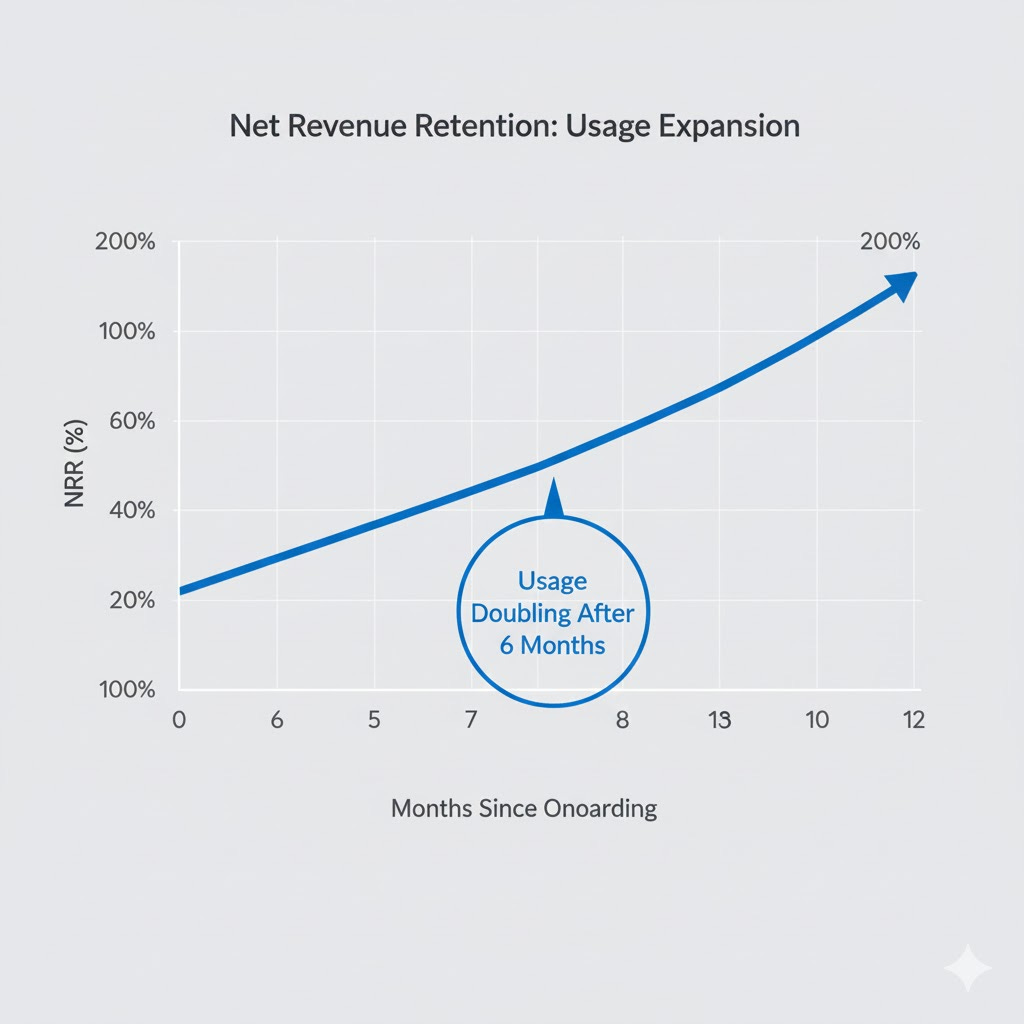
Results: NRR That Tells A Real Story
Seam is not bragging about signups.
They told me something better.
“Customers burn through their annual credits in six months.
Then they double.”
That matters.
Their outcomes are also clear:
Identify the highest fit accounts
Combine first party, intent, and external signals
Automatically orchestrate outbound and paid engagement
Better targeting.
More intelligent sequencing.
More revenue pulled from the same accounts.
This is a real results narrative, not a vanity one.
Implementation: Opinionated And Low Lift
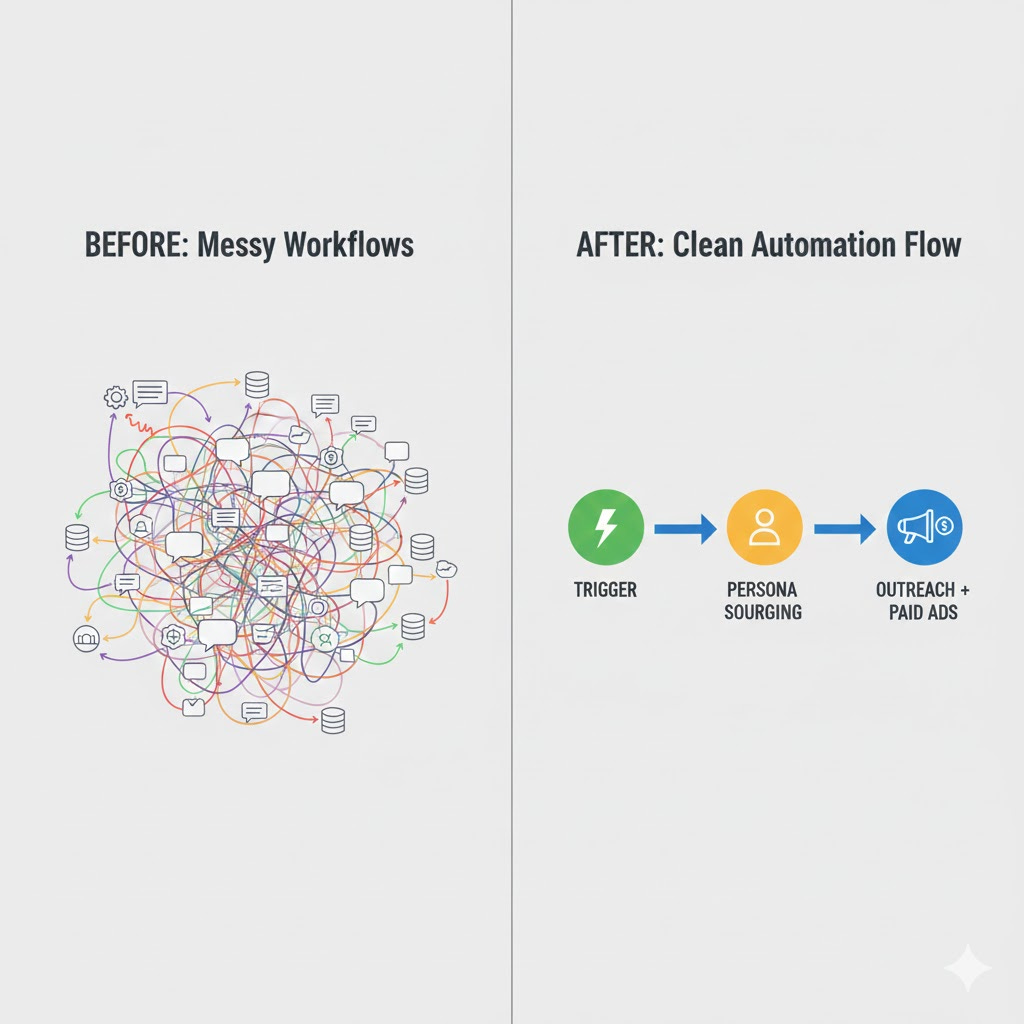
Most tools brag about flexibility.
Buyers do not want flexibility.
Buyers want something that already knows how to work.
Seam leans in:
Two week POC
Out of the box plays
Automated persona sourcing
Direct deployment into Outreach sequences, LinkedIn ads, email platforms
No RevOps lift required
This is how enterprise software should feel.
As Mikhiel said:
“When I buy accounting software, I do not want to design accounting. I want the software to tell me how accounting should work.”
That mindset is rare.
It is also exactly what wins implementation.
Niche: High Budget And Perfect Timing
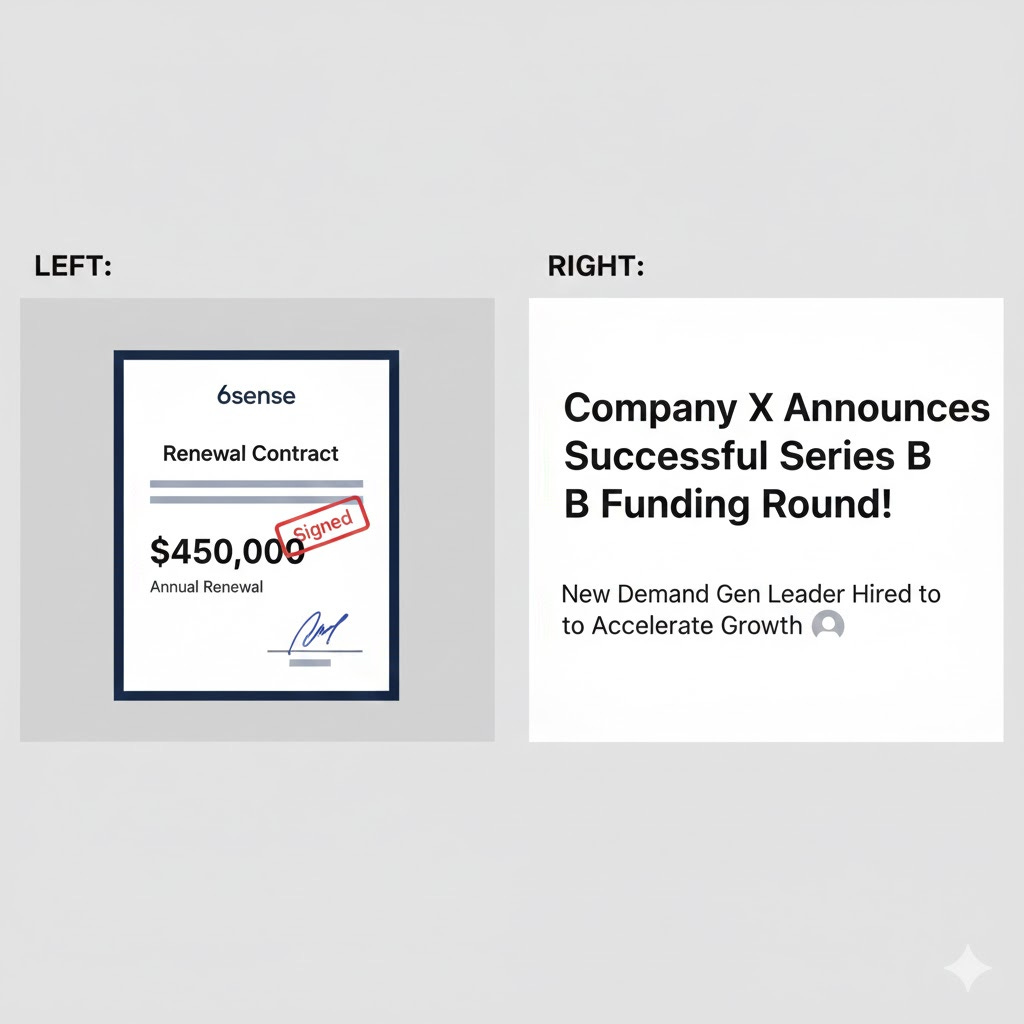
Niche is not just who your buyer is.
It is when they are ready.
Seam has two lanes:
Rip and replace
Renewal is coming
Team is frustrated
Six figure invoice is on the way
Series B to Series C scale up
Fresh budget
New demand gen leader
Pressure to scale pipeline
Needs an ABM style platform but hates legacy tools
Both lanes share:
Budget ready
Category understood
Pain already felt
Timing pressure built in
They also draw a clean line:
Clay is enrichment.
Seam is growth.
That is niche done right.
Trust: Experience, Fundraising, And Zero Noise

Seam has the ingredients buyers look for:
Founders with real GTM and data engineering experience at Okta
A CTO who understands how to productize a growth engine
Backing from F7 and Bessemer
Customers like Dremio, Betterment, Cribl, Drata
Add their fundraising approach:
No Zoom
No deck
In person only
Product in the room
Advisors who matched their ICP and spoke directly to VCs
They did not show what they are today.
They showed the future VCs were buying at a discount.
That builds trust in a way slides never will.
What Founders Can Steal From Seam
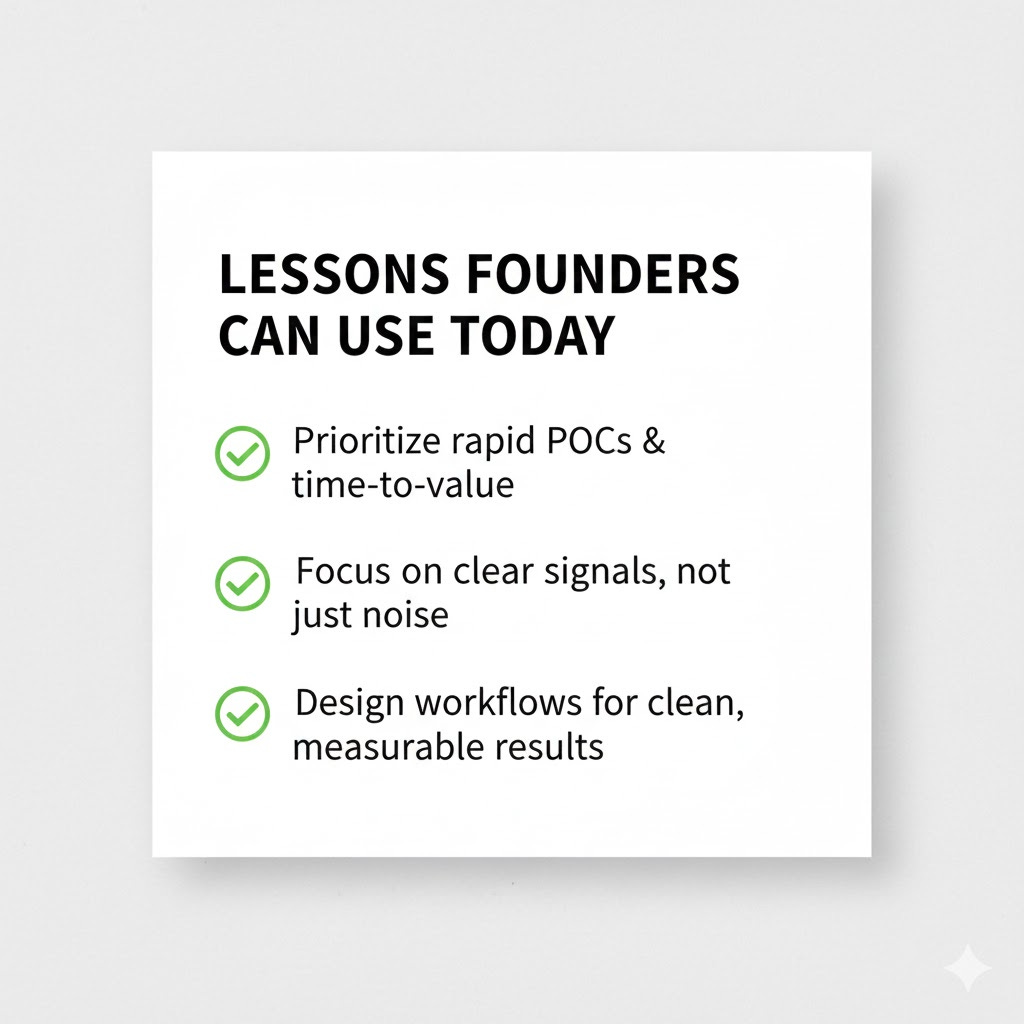
If you are building in GTM or AI, here are the takeaways:
Replace a disliked incumbent rather than invent a category no one budgets for
Focus on problems that get worse if buyers do nothing
Anchor your proof in NRR, not logo spikes
Treat implementation like a product
Time your niche around renewals and new budgets
Tell a clear story in a market that loves noise
And the biggest lesson:
“It is better to be different than pretty good.”
Seam is early, but against SPRINT they are doing a lot right.
If you are trying to understand what real GTM structure looks like from zero to ten, this is a team worth watching.