


Last week, I posted on LinkedIn asking for a simple call recording tool that worked with HubSpot.
Nothing enterprise.
Nothing heavy.
Something a real startup could use immediately.
The response was fast.
Dozens of tools.
All confident.
All helpful.
And almost all indistinguishable.
That experience had nothing to do with call recorders.
It was a perfect snapshot of how founders are selling right now.
What Changed And Why This Matters Now
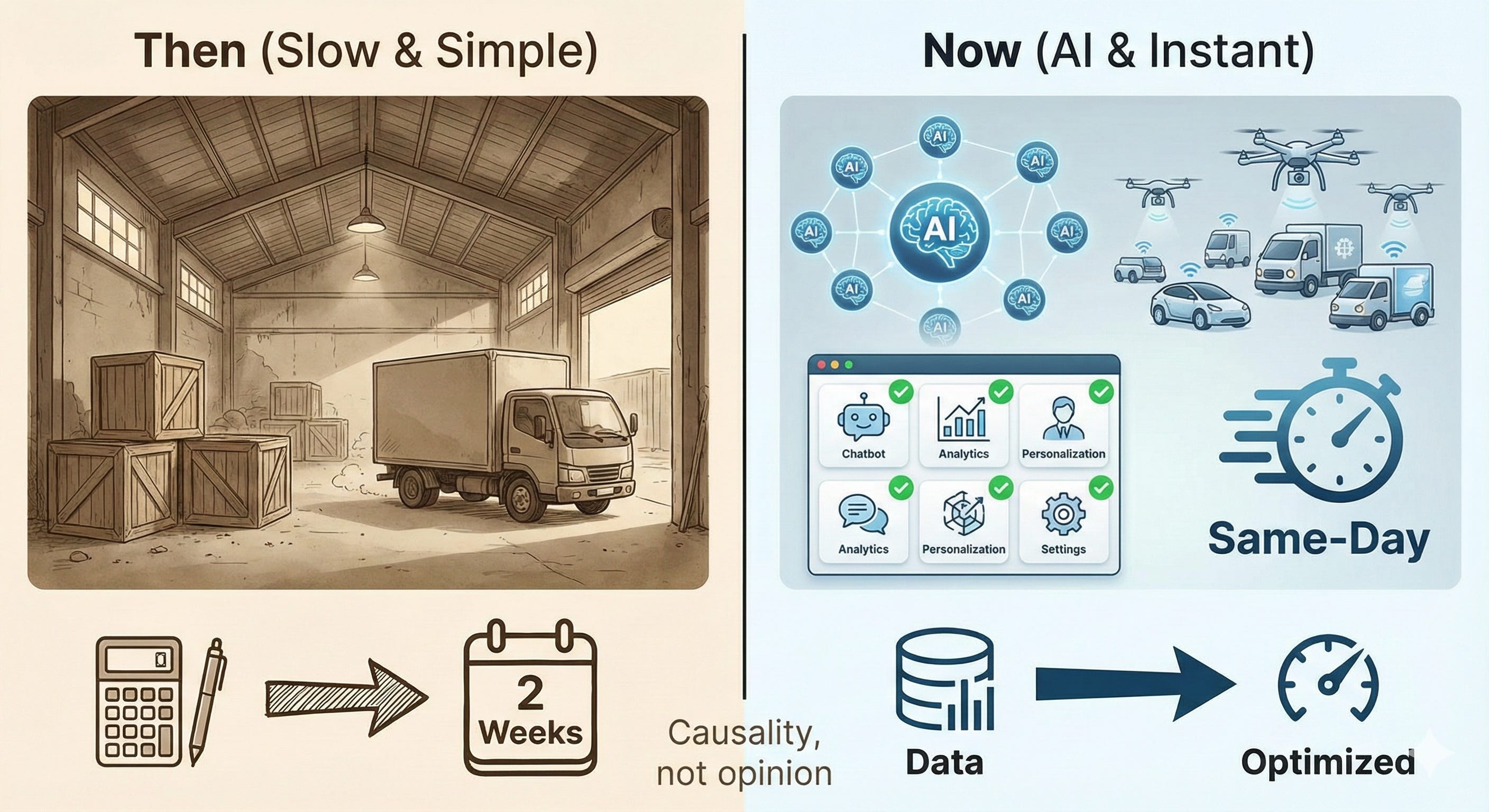
Five years ago, this would have been easier.
Fewer tools.
Clearer tradeoffs.
Obvious leaders.
AI changed that.
Features ship faster.
Parity arrives quickly.
Demos look impressive on day one.
Every product tells a clean, confident story.
So the old filters no longer work.
Does it integrate? Yes.
Can it do X? Yes.
Will it save time? Yes.
That is no longer differentiation.
That is table stakes.
And paradoxically, buying feels harder now than when there were fewer options.
What My Call Recorder Post Actually Exposed

On paper, 20 to 30 tools fit what I asked for.
Every one of them could truthfully say:
we do that
we support that
we integrate there
Almost none made me think:
This was built for a business like mine.
Instead, I got a lot of:
Yes, we can do that.
That distinction is subtle.
And it is everything.
“Yes, we can do that” answers a feature question.
“We built this for teams like yours” answers a risk question.
Buyers are not trying to confirm capability anymore.
They are trying to reduce uncertainty.
This Is the Same Failure Across AI, SDRs, AEO, and Everything Else
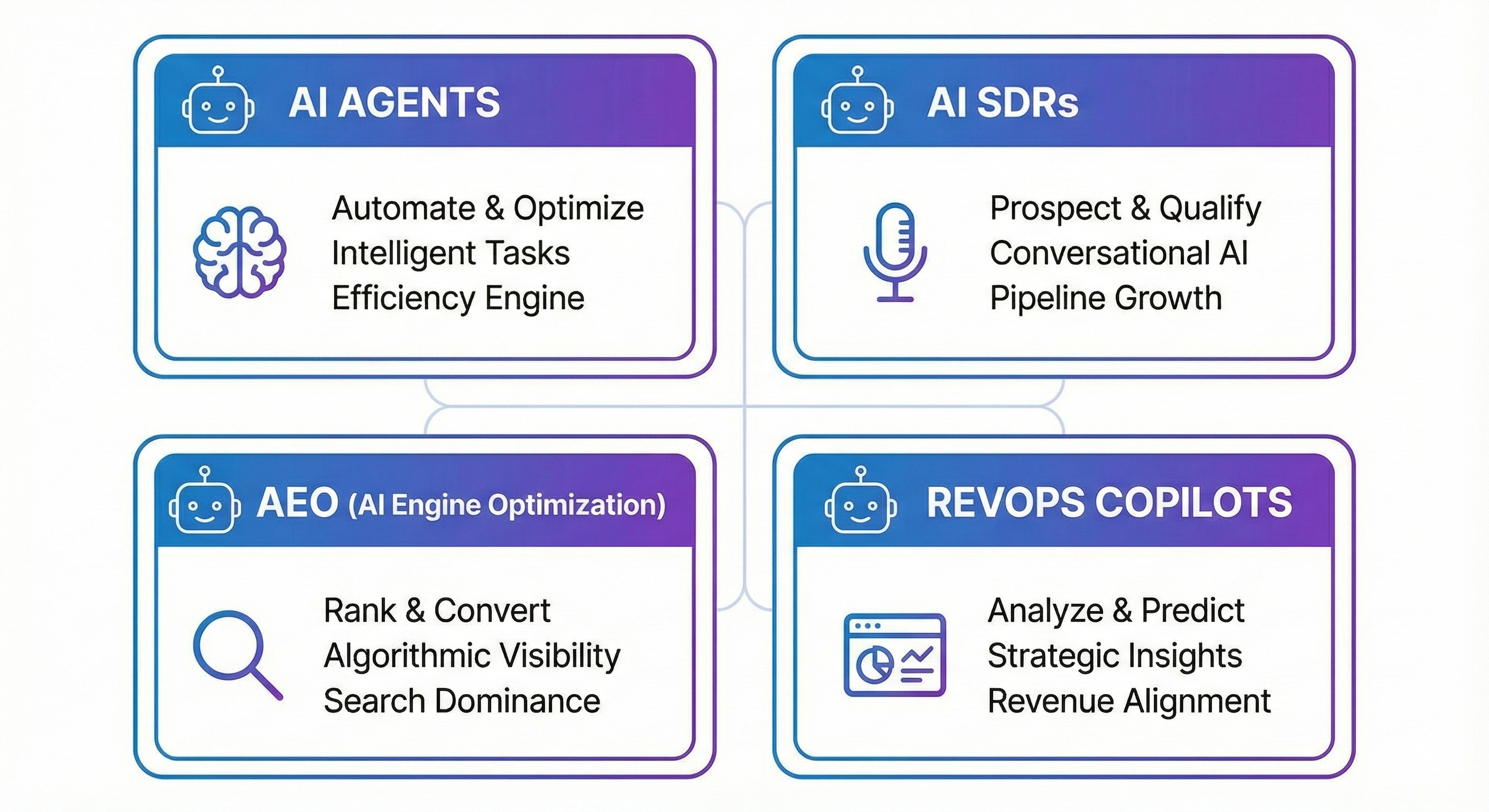
Replace “call recorder” with almost anything today.
AI SDRs.
AI agents.
AEO platforms.
Revenue copilots.
AI analytics tools.
Every founder says:
We help you move faster.
But buyers are already moving fast.
What they want to know is:
What breaks if we move fast with you?
What becomes hard to unwind later?
What should we not do yet?
Speed without context does not create momentum.
It destroys trust.
Why Founders Lose Here
Founders default to speed because:
they know the product deeply
they want to be helpful
they are rewarded for responsiveness
But buyers experience fast answers without context as noise.
When everything sounds right, buyers do not choose the best option.
They choose the least risky narrative.
Founders who cannot articulate risk lose, even with better products.
SPRINT Is How Founders Escape the Commodity Trap
This is exactly why SPRINT exists.
Not as a sales framework.
As a filter for relevance.
Here is the shift founders must make.
Speed
Only matters after context. Before that, it signals sameness.
Problem
Must anchor on what changed that makes solving this matter now.
Results
Must describe behavior change, not feature output.
Implementation
Must match real constraints, not ideal workflows.
Niche
The most important lever.
Not “we can do that,” but “we built this for teams like yours, at this stage, with these constraints.”
Trust
Shows up when buyers feel understood before they feel persuaded.
Most AI tools nail speed.
Very few earn trust through niche understanding.
Why Niche Is the Only Differentiator Left
In an AI-first world:
Speed compresses
Features converge
Messaging homogenizes
Context does not scale easily.
Niche does not scale easily.
That is why they matter.
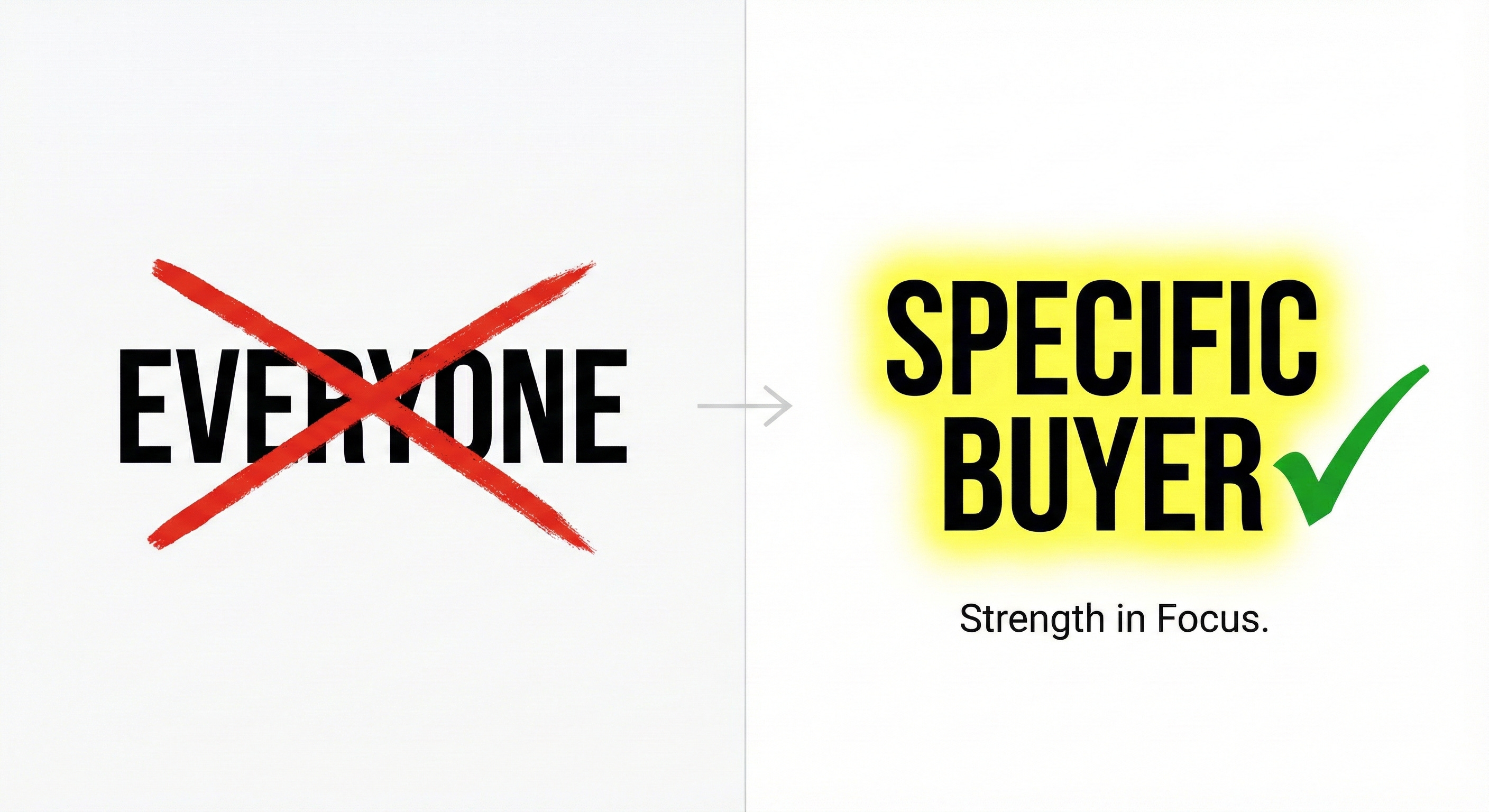
If your pitch sounds good to everyone, it is memorable to no one.
Buyers do not need more options.
They need help recognizing which ones are not for them.
Founders who can do that stand out instantly.

If your pitch sounds right to a lot of buyers, but deals still stall, that is not market noise.
It usually means buyers cannot tell who your product is actually built for.
That is the cost of speed without context.
The most valuable conversations right now are not about what to buy.
They are about what to ignore, what to delay, and what not to over-engineer too early.
When that clarity shows up, the right buyers tend to recognize themselves.
If you are unsure whether your GTM motion reflects how buyers actually decide today, that uncertainty is the signal.
That is the moment to slow down before you speed up.
That is where I spend my time.