


Founder-led sales rarely breaks loudly.
It breaks quietly.
Late.
After the buyer is already interested.
The champion is engaged.
The conversations are good.
The problem feels real.
And then momentum fades.
No hard no.
Just delays.
Reschedules.
“Let’s revisit this later.”
Founders call this long sales cycles.
It’s not.
It’s unresolved risk showing up too late.
That’s why I built SPRINT.
Not as a pitch framework.
As a decision framework.
SPRINT exists to surface friction early enough that deals can actually move.
The SPRINT Framework
S = Speed
How quickly does the buyer feel understood enough to surface real concerns?
Speed isn’t urgency.
Speed isn’t pressure.
Speed isn’t sending more follow-ups.
Speed is how fast a buyer feels you understand their business well enough to be honest with you.
When buyers feel understood:
they stop being polite
they surface real concerns
they expose internal resistance
they tell you what could kill the deal
That’s progress.
Founders slow deals down when they:
stay abstract too long
avoid specificity
delay implementation conversations
protect momentum instead of stress-testing it
SPRINT treats early friction as a signal that speed is working.
If concerns surface early, they can be addressed.
If they surface late, they become fatal.
Speed is not about moving fast.
It’s about earning the right to get to the hard parts quickly.

P = Problem
What changed that makes solving this matter now?
Most founders explain a problem clearly.
That is not enough.
Buyers don’t act because a problem exists.
They act because something changed.
Growth exposed a constraint.
A workaround stopped working.
Costs crossed a threshold.
Expectations shifted.
Inaction became risky.
If buyers agree the problem is real but keep delaying, the issue is not understanding.
It’s timing.
SPRINT forces clarity on what changed and why waiting is no longer neutral.

R = Results
Is the upside big enough to justify action and patience?
Founders often lead with efficiency.
Time saved.
Work reduced.
Process improved.
Executives don’t buy efficiency.
They buy outcomes that move the business.
Results must connect to something meaningful:
revenue gained or protected
margin impact
growth unlocked
risk reduced
strategic leverage created
If the upside feels incremental, hesitation is rational.
If the upside feels material, patience increases.
SPRINT tests whether the outcome justifies the effort required.

I = Implementation
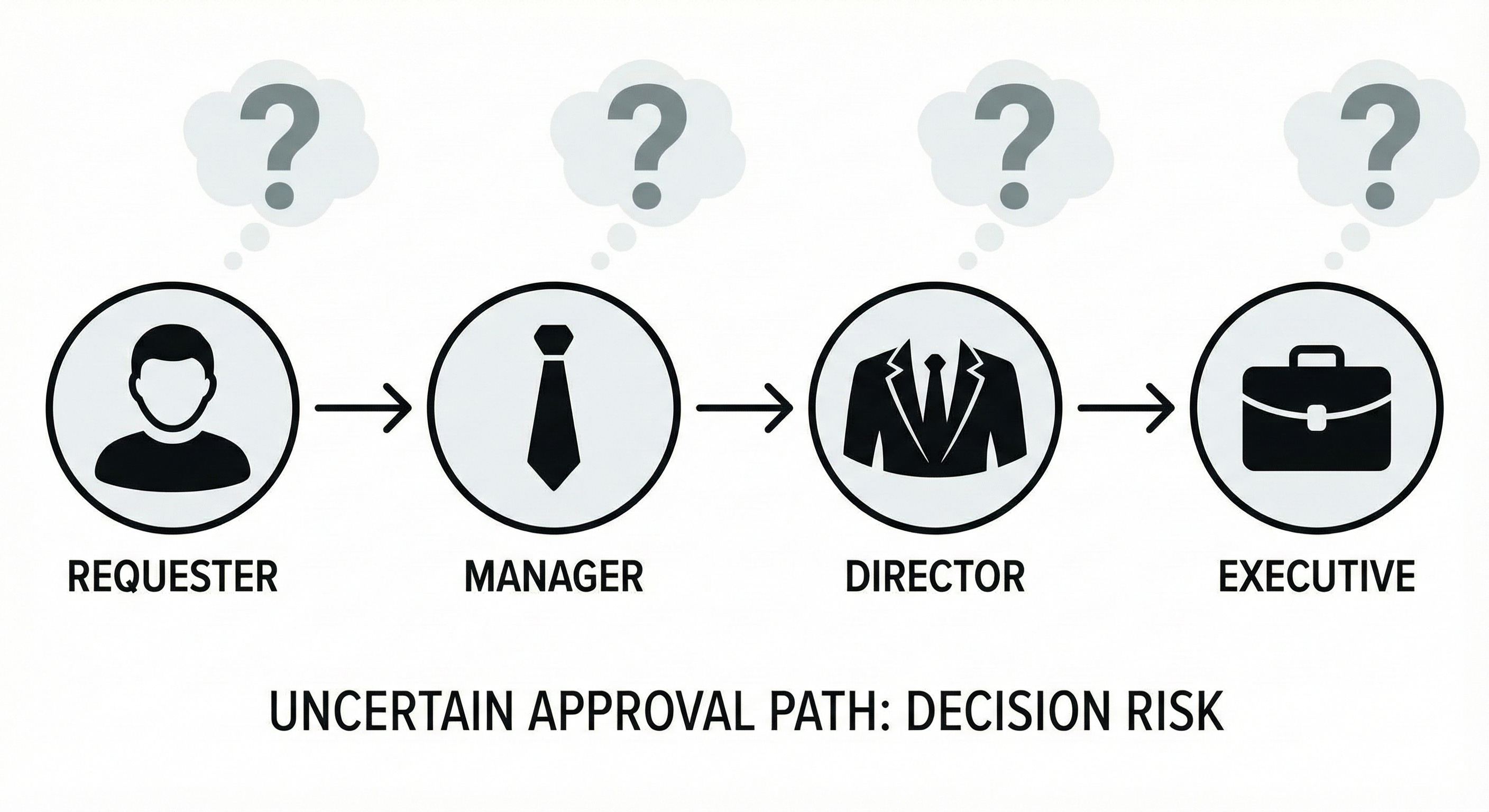
Can the buyer say yes without personal exposure?
This is where most deals quietly die.
Not because the solution won’t work.
Because this is where buyers imagine:
internal disruption
added workload
political exposure
personal accountability
Buyers ask silently:
What happens if this fails?
Who gets pulled in?
How visible is this decision?
Implementation must be explainable simply:
one clear focus
one defined scope
one concrete outcome
If implementation feels vague, buyers assume danger.
SPRINT surfaces implementation risk early, while there is still room to shape the ask.
N = Niche
Who this is actually for, right now
Niche exists to stop founders from confusing interest with fit.
A real niche is specific on three dimensions:
industry
company profile
buyer role
If any of these are fuzzy, deals look promising but stall late.
The wrong niche creates:
long cycles
inconsistent wins
heavy customization
late-stage disqualification
A strong niche concentrates effort where decisions actually happen.
SPRINT narrows focus before scale.
Because scaling confusion just creates more confused deals.

T = Trust
Do they believe you’ll get them through it?
Trust isn’t enthusiasm.
It isn’t confidence.
It isn’t likability.
Trust is reduced perceived risk.
It comes from:
credible references
relevant case studies
strong champions
calm handling of objections
proof you’ve navigated this before
The heavier the ask, the heavier trust must be.
SPRINT doesn’t manufacture trust.
It reveals whether enough exists to proceed.

Why SPRINT exists
SPRINT isn’t about selling better.
It’s about deciding earlier.
Most founders lose deals because they protect momentum instead of testing it.
They avoid friction.
They delay hard conversations.
They optimize for activity instead of clarity.
SPRINT does the opposite.
It forces clarity early so founders don’t scale uncertainty into the pipeline.

For founders reading this
If deals are stalling late
If buyers are engaged but hesitant
If approval feels harder than it should
The issue is rarely demand.
It’s unresolved risk.
That’s what a SPRINT Reset is designed to surface.
Not a funnel review.
Not a pitch teardown.
A short, focused reset to identify:
where friction is hiding
what changed and why it matters now
which deals deserve focus
what must be resolved before scale
If this felt uncomfortably familiar, you’re probably ready.